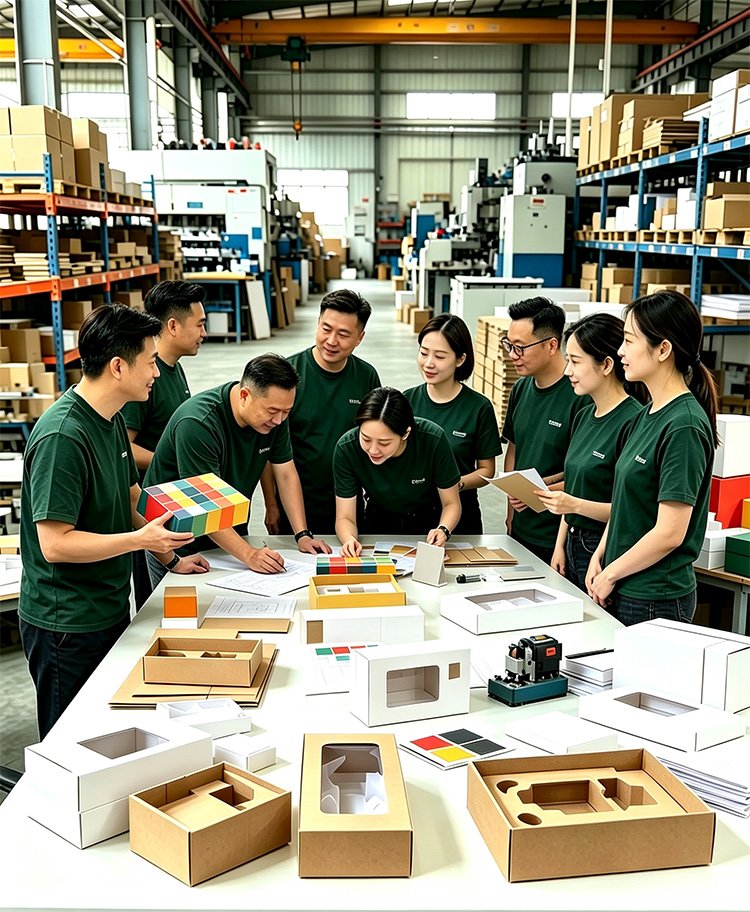
Sustainable Materials for Better Packaging
Explore our range of paper-based and innovative eco-friendly materials, selected to balance appearance, performance and environmental responsibility.
Choosing the Right Material for Your Packaging
The right packaging material is more than a matter of appearance — it affects your product protection, brand presentation, packaging performance, cost and sustainability goals.
Different products and industries require different materials. A luxury jewelry brand may need a rigid grey board structure for a premium, durable presentation, while an e-commerce brand may benefit from lightweight corrugated board for shipping protection. Cosmetic, food, fashion, gift and retail packaging can also require completely different combinations of paper, board, structure and finishing.
At Eco Pack Lab, we work with a wide range of paper-based and innovative sustainable materials, from kraft paper and recycled paper to corrugated board, grey board, honeycomb board, bagasse paper, seed paper and other specialty papers.
Choosing the right material is an important part of creating successful packaging.
This guide helps you understand the key materials available, what they are best suited for, and which products and industries they work particularly well with — so you can make a more informed choice for your brand.
Whether you are developing luxury packaging, cosmetic boxes, paper bags, food packaging, shipping boxes, gift packaging or retail packaging, understanding your material options is the first step toward creating packaging that looks right, performs well and supports your brand’s goals.
| Material | Best For | Key Benefit |
|---|---|---|
| Kraft Paper | Paper Bags, Boxes & Mailers | Natural appearance, versatile and recyclable |
| Recycled Paper | Retail & General Packaging | Helps reduce the use of virgin paper fibers |
| FSC® Paper | Premium Retail & Brand Packaging | Supports responsible sourcing of forest-based materials |
| Corrugated Board | Shipping, Mailer & E-commerce Boxes | Lightweight, protective and structurally strong |
| Grey Board | Luxury Rigid Boxes & Gift Packaging | Strong structure with a premium rigid-box finish |
| Honeycomb Paper Board | Protective & Structural Packaging | Lightweight structure with excellent cushioning performance |
| Bagasse Paper | Food, Gift & Eco Packaging | Made using plant-based agricultural fiber |
| Seed Paper | Promotional, Gift & Sustainable Packaging | Can be designed for planting after use |
| Coffee Ground Paper | Premium & Sustainable Brand Packaging | Unique material story with distinctive natural texture |
| Tea Waste Paper | Gift, Cosmetic & Specialty Packaging | Distinctive appearance made with upcycled tea-related fibers |
| Pineapple Leaf Paper | Premium Sustainable Packaging | Plant-fiber material with a unique natural story |
| Mycelium Packaging | Protective & Specialty Packaging | Bio-based material suitable for innovative packaging concepts |
| Seaweed Paper | Premium & Innovative Eco Packaging | Innovative plant-based material with a distinctive texture |
| Specialty Eco Papers | Luxury, Cosmetic & Custom Packaging | Unique textures, finishes and material stories for brand differentiation |
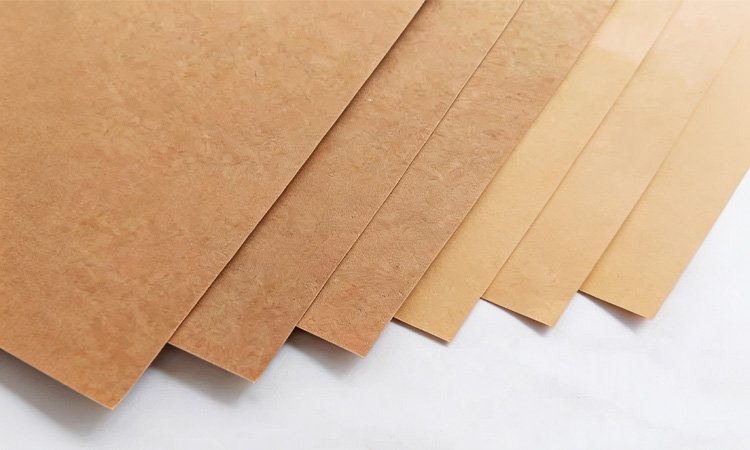
Kraft paper is one of the most widely used materials for sustainable paper packaging. Its natural texture and earthy appearance make it especially popular with brands looking for a simple, authentic and environmentally conscious presentation. Depending on the grade and structure, kraft paper can be used for both lightweight packaging and stronger retail applications.
Common Weight: 60–200 gsm
Best For: Paper bags, shopping bags, mailer boxes, folding boxes, food packaging and gift packaging
Popular Industries: Retail, fashion, food & beverage, cosmetics, gifts and e-commerce
Kraft Paper
Natural, Versatile & Reliable
Recycled Paper
Practical Packaging with a Recycled Material Story
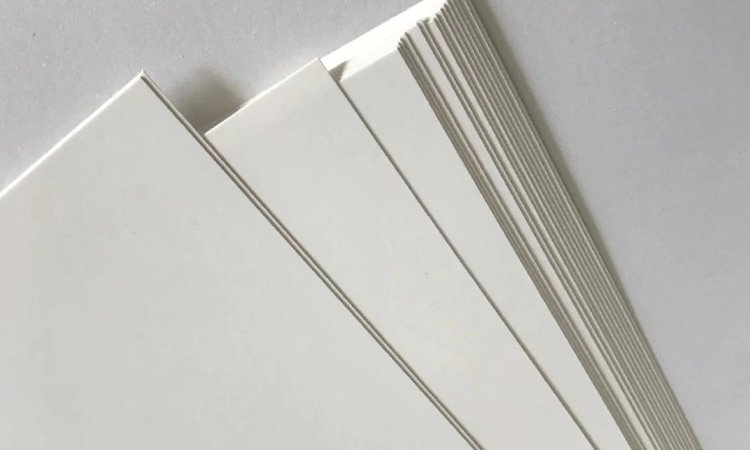
Recycled paper is produced using recovered paper fibers and is widely used by brands looking to reduce reliance on virgin paper materials. It can provide a natural, slightly textured appearance while remaining suitable for professional printing and packaging applications.
Common Weight: 70–300 gsm
Best For: Folding cartons, paper bags, sleeves, inserts, product boxes and promotional packaging
Popular Industries: Cosmetics, retail, food, fashion, stationery and consumer products
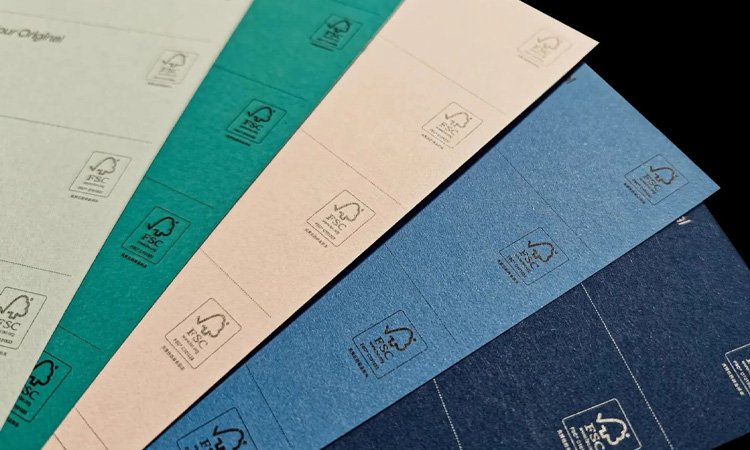
FSC® paper is commonly selected by brands that want their packaging materials to support responsibly managed forest resources. It is available in many paper grades, surfaces and weights, making it suitable for both everyday commercial packaging and premium branded applications.
Common Weight: 80–350 gsm
Best For: Folding cartons, luxury packaging, shopping bags, gift packaging, product sleeves and printed inserts
Popular Industries: Cosmetics, fashion, jewelry, retail, food & beverage and luxury brands
FSC® availability and labeling depend on the applicable certification and supply-chain requirements.
FSC® Paper
Responsibly Sourced Paper for Brand Packaging
Corrugated Board
Light weight Protection for Shipping & E-Commerce
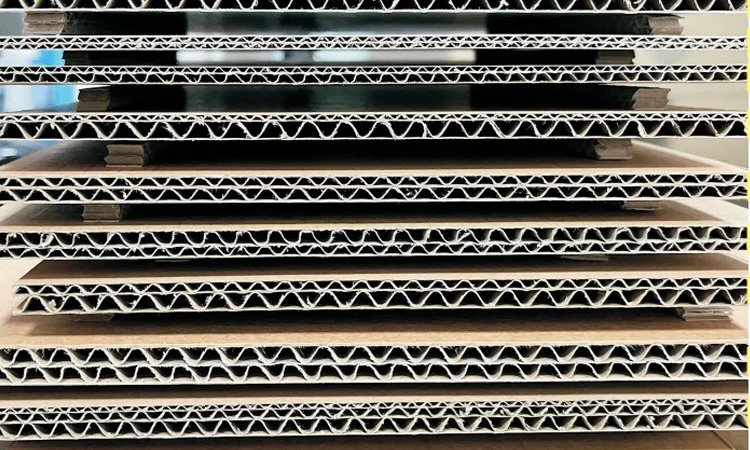
Corrugated board is designed to provide strength and cushioning while keeping packaging relatively lightweight. Its fluted structure makes it particularly suitable for products that need protection during transportation, storage and delivery.
Common Paper Weight: Approximately 90–200 gsm per liner/fluting component
Common Structures: Single-wall, double-wall and specialty flute combinations
Best For: Mailer boxes, shipping boxes, e-commerce packaging, subscription boxes and protective packaging
Popular Industries: E-commerce, electronics, retail, food, cosmetics and consumer goods
Grey board, also known as rigid board or chipboard in many packaging applications, provides the structural foundation for premium rigid boxes. Its stiffness and strength make it ideal when packaging needs to maintain its shape and create a substantial, high-quality feel.
Common Thickness: Approximately 1–3 mm for many rigid box applications
Typical Basis Weight: Varies significantly with thickness and board density
Best For: Rigid boxes, drawer boxes, magnetic boxes, jewelry boxes, perfume boxes and luxury gift packaging
Popular Industries: Jewelry, cosmetics, perfume, fashion, luxury goods, electronics and gifts
Grey Board
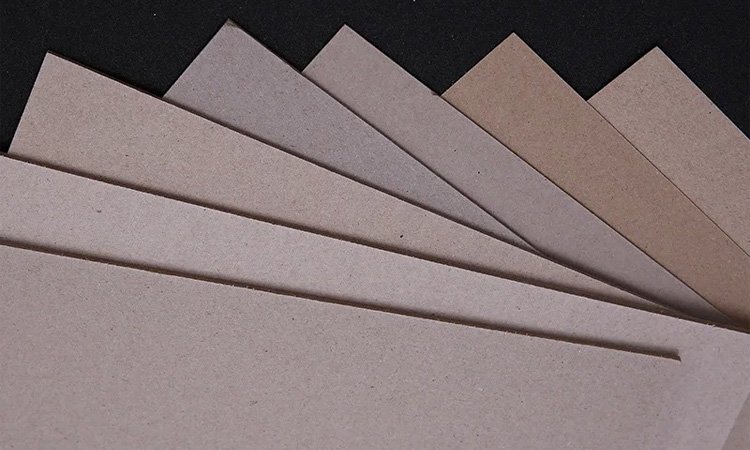
Strong Structure for Premium Rigid Packaging
Honeycomb Paper Board
Lightweight Strength with a Sustainable Structure
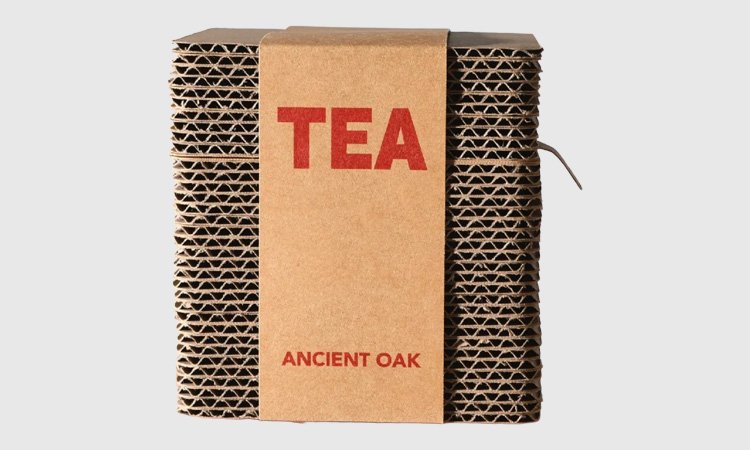
Honeycomb paper board uses a cellular paper structure to provide strength and rigidity with relatively low weight. It can be used as a protective or structural packaging material where cushioning, stiffness and reduced material weight are important.
Common Thickness: Approximately 10–50 mm, depending on application
Typical Structure: Paper honeycomb core with paper facing layers
Best For: Protective packaging, large-format boxes, separators, inserts and structural packaging components
Popular Industries: Furniture, home goods, electronics, industrial products and e-commerce
Bagasse paper is made using fibers derived from sugarcane processing. Its natural material story makes it attractive to brands looking for alternatives that incorporate agricultural by-products into packaging and printed products.
Common Weight: Approximately 80–300 gsm, depending on the paper grade
Best For: Food packaging, folding cartons, paper bags, sleeves, gift packaging and promotional materials
Popular Industries: Food & beverage, cosmetics, hospitality, retail and sustainable brands
Bagasse Paper
Plant-Fiber Packaging with a Distinctive Story
Seed Paper
Packaging That Can Grow Beyond Its First Use
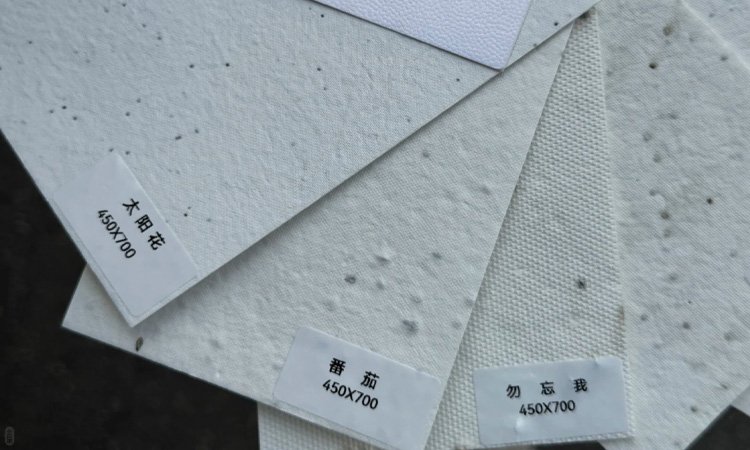
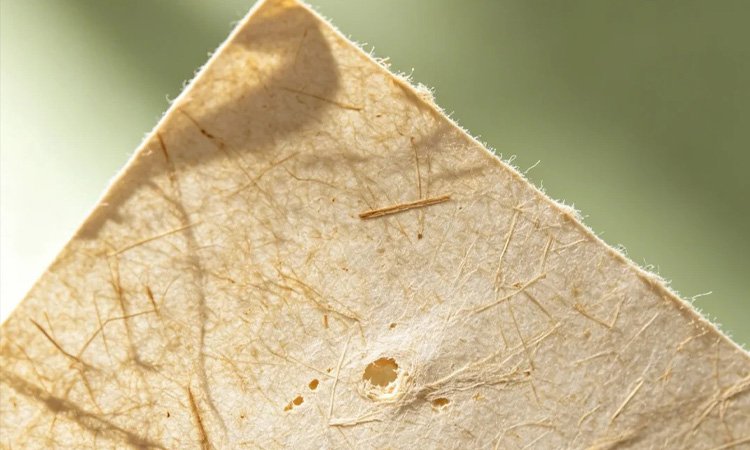
Seed paper incorporates plant seeds into a paper substrate, creating an interactive packaging experience that can extend the story of the material beyond its original use. It is particularly effective for brands that want their packaging to become part of a memorable customer experience.
Common Weight: Approximately 100–300 gsm
Best For: Hang tags, cards, product inserts, sleeves, gift packaging, promotional packaging and special-edition packaging
Popular Industries: Beauty, wellness, fashion, gifts, hospitality and lifestyle brands
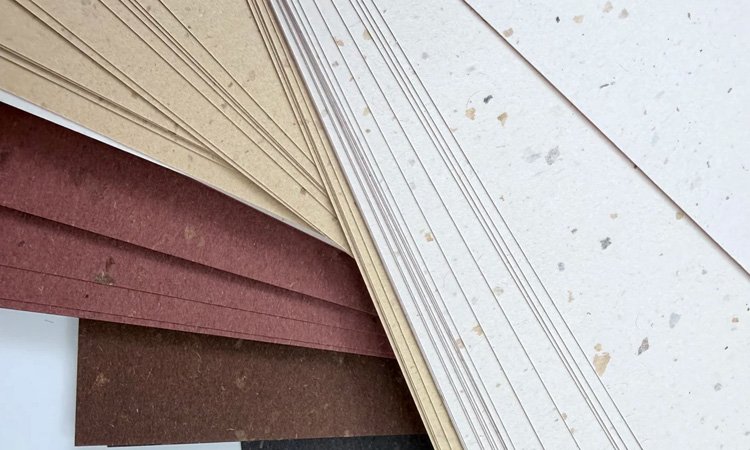
Coffee ground paper incorporates coffee-related waste or coffee-derived fibers into specialty paper formulations. Its distinctive appearance and material story can help brands create packaging with a more recognizable and memorable tactile identity.
Common Weight: Approximately 100–350 gsm, depending on the paper formulation
Best For: Folding boxes, sleeves, tags, cards, gift packaging and premium paper bags
Popular Industries: Coffee, food & beverage, cosmetics, lifestyle, hospitality and sustainable brands
Coffee Ground Paper
Turn Coffee Waste into a Unique Material Story
Tea Waste Paper
A Natural Material Story for Specialty Packaging
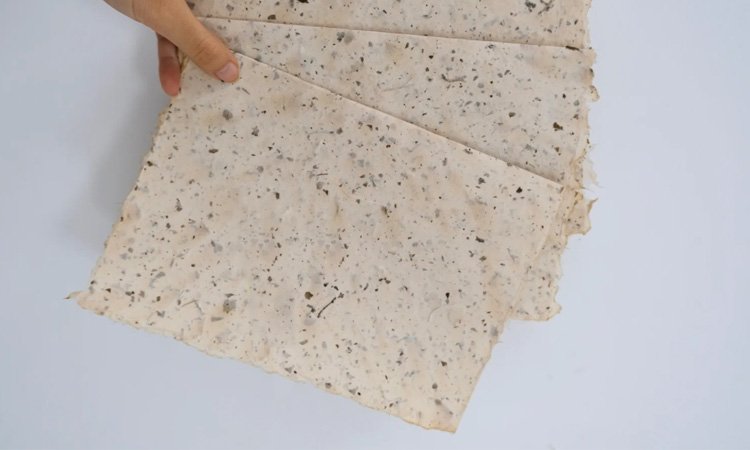
Tea waste paper incorporates tea-related fibers or upcycled tea material into specialty paper. Depending on the formulation, it can create subtle natural textures and visual characteristics that help packaging communicate a connection with natural ingredients and circular material concepts.
Common Weight: Approximately 100–350 gsm, depending on formulation
Best For: Gift boxes, cosmetic packaging, sleeves, tags, cards and specialty paper bags
Popular Industries: Tea, food & beverage, cosmetics, wellness, hospitality and lifestyle brands
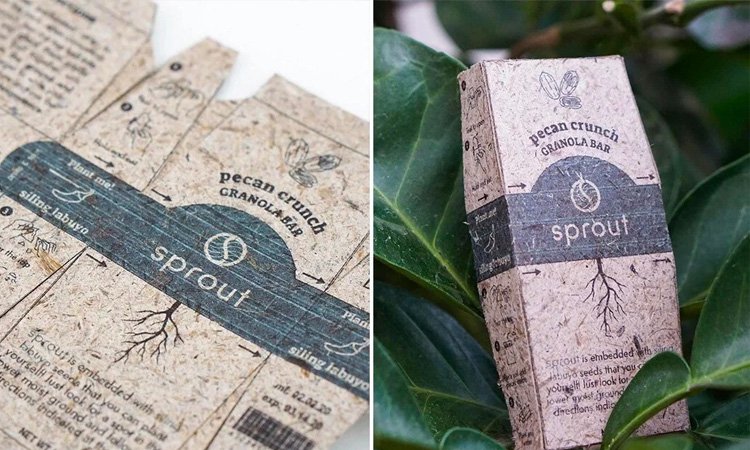
Pineapple leaf paper uses fibers derived from pineapple leaves, creating an alternative material with a distinctive natural story. It can be particularly appealing to brands that want their packaging to communicate agricultural-resource utilization and material innovation.
Common Weight: Approximately 80–300 gsm, depending on fiber composition and paper grade
Best For: Gift packaging, sleeves, tags, paper bags, cosmetic packaging and premium printed materials
Popular Industries: Fashion, cosmetics, beauty, lifestyle, gifts and sustainable brands
Pineapple Leaf Paper
Plant-Based Fiber with a Natural Premium Feel
Mycelium Packaging
Bio-Based Protective Packaging for Innovative Brands

Mycelium packaging is created using fungal mycelium combined with suitable agricultural or plant-based substrates. It is primarily used for molded protective applications where brands are looking for innovative bio-based alternatives to conventional protective materials.
Common Specification: Usually specified by molded density, dimensions and protective performance rather than gsm
Best For: Protective inserts, product trays, cushioning components and molded packaging
Popular Industries: Electronics, cosmetics, home goods, luxury products, food and innovative consumer brands
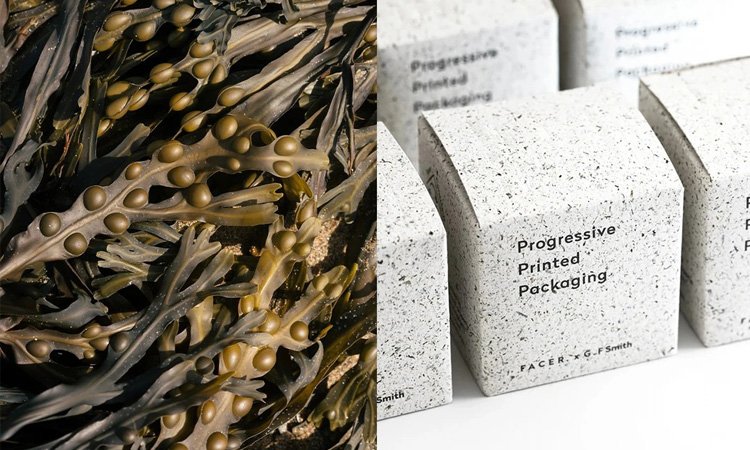
Seaweed paper incorporates seaweed or seaweed-derived materials into specialty paper formulations. It offers brands an opportunity to explore unconventional renewable material stories while maintaining the functionality required for printed packaging and paper products.
Common Weight: Approximately 80–300 gsm, depending on formulation
Best For: Folding cartons, sleeves, tags, cards, gift packaging and specialty paper products
Popular Industries: Beauty, wellness, food & beverage, hospitality, lifestyle and sustainable brands
Seaweed Paper
Innovative Paper Made with Seaweed-Based Materials
Specialty Eco Papers
Unique Materials for Distinctive Brand Experiences
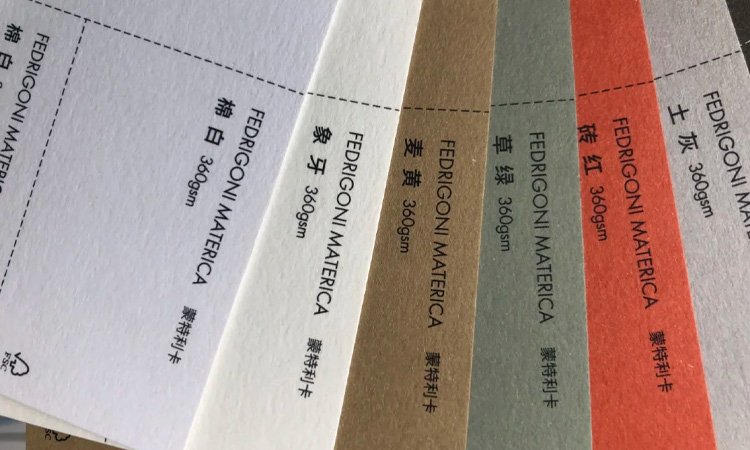
Beyond conventional paper grades, we can explore a wide range of specialty papers incorporating recycled fibers, agricultural fibers, plant-based materials and other innovative components. These materials are especially valuable when packaging needs to communicate a strong material story while maintaining a premium visual and tactile experience.
Common Weight: Approximately 80–400 gsm, depending on material and application
Best For: Luxury boxes, cosmetic packaging, gift packaging, paper bags, sleeves, tags and premium printed materials
Popular Industries: Luxury, cosmetics, fashion, jewelry, food & beverage, lifestyle and premium retail
services
Find the Right Material for Your Brand
There is no single material that works best for every packaging project. The right choice depends on your product, packaging structure, required strength, printing and finishing requirements, target market, budget and sustainability objectives.
At Eco Pack Lab, we can help you compare material options and recommend a suitable combination of paper, board, structure and finishing for your packaging project.
Not sure which material is right for your packaging?
Tell us about your product, packaging requirements and target market — and our team can help you find the right material solution.